EN

Home / News

News & Insights

From the Nursery & the Trade

How We Prepare Container-Grown Trees for 30-Day Sea Freight

Export Know-How · May 2026

How We Prepare Container-Grown Trees for 30-Day Sea Freight

Shipping a living tree across an ocean is a controlled exercise in slowing everything down: transpiration, respiration and moisture loss. Two weeks before loading, our team gradually reduces irrigation so the root ball is moist but not saturated — a balance that prevents both dehydration and root rot during transit.

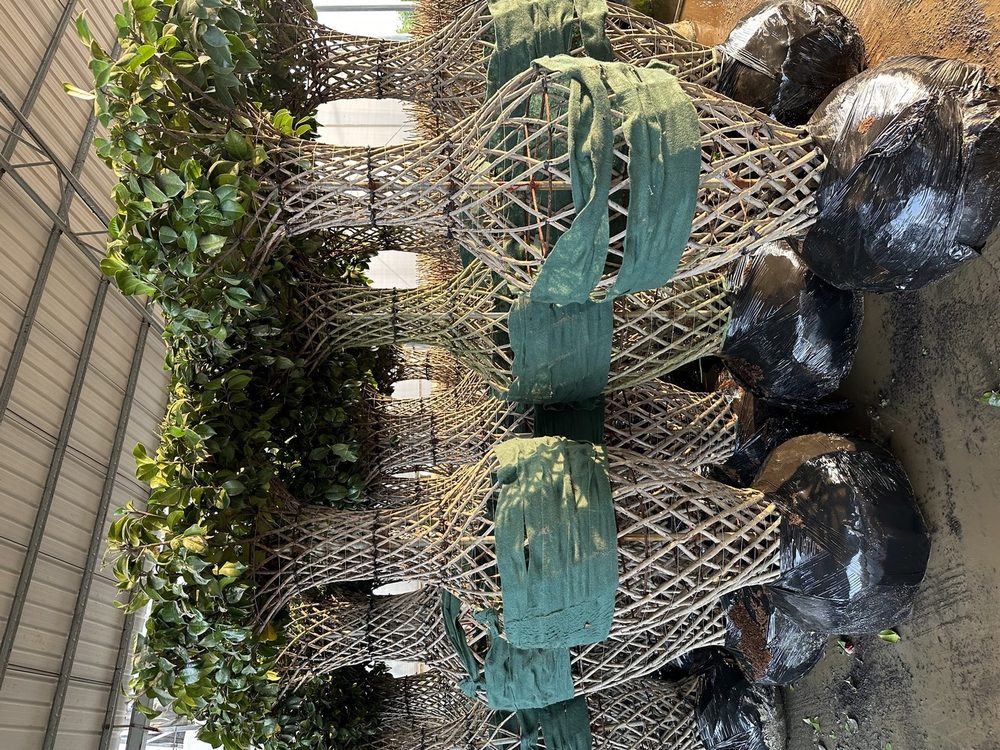
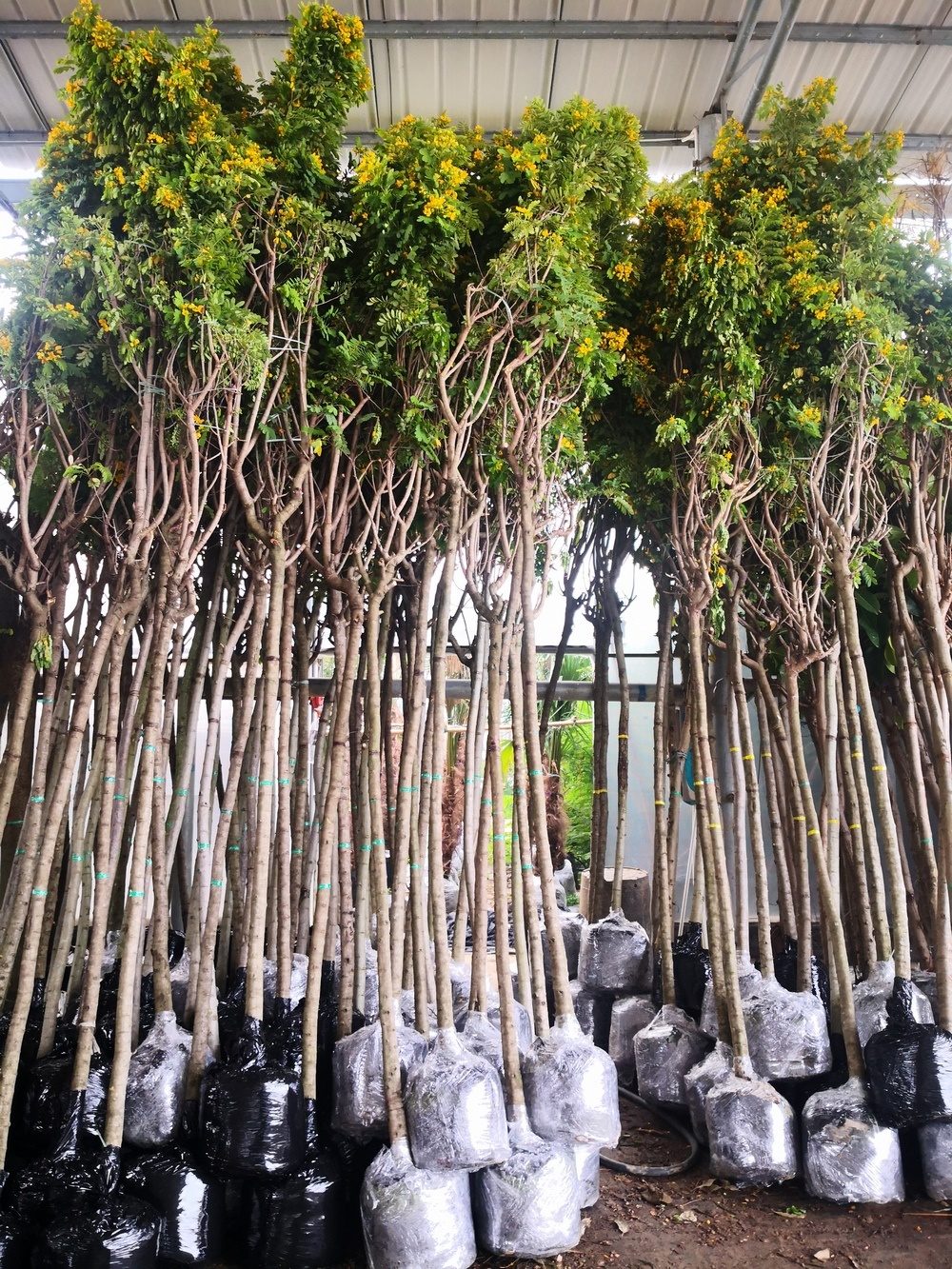
Each root ball is then wrapped in a breathable inner layer and sealed with moisture-lock film. Crowns are tied with soft strapping to reduce the tree's profile and protect lateral branches, and an anti-desiccant spray limits water loss through the foliage while the tree sits in a dark container.

Inside the container, steel bracing holds every unit in place and leaves air channels between rows. We log temperature-sensitive shipments and can add reefer containers for sensitive species. Before the doors close, we photograph and film the entire load — so you can verify the condition of your stock at the moment it left us.

The result of this protocol is consistent: our long-term buyers report establishment rates above 95% after standard planting care, even on the 30- to 35-day routes to the Gulf and Europe.
Five Flowering Trees That Thrive in Middle East Landscaping

Plant Guide · April 2026

Five Flowering Trees That Thrive in Middle East Landscaping

Designing for the Gulf means designing for extremes: summer temperatures above 45°C, saline irrigation water and relentless sun. Fortunately, several of South China's proven landscape species handle these conditions beautifully once established.

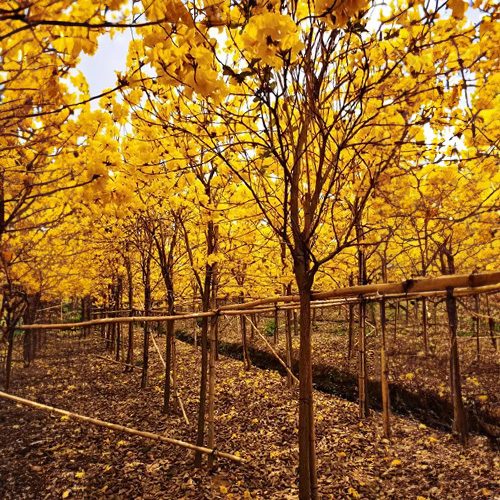
The yellow trumpet tree (Handroanthus chrysanthus) tops our Gulf shipping list every spring — a brief but unforgettable display of golden bloom on nearly leafless branches. Delonix regia, the royal poinciana, follows with months of scarlet canopy and deep shade, while Cassia and Senna species flower reliably on poor, sandy soils.

For tighter spaces and avenue work, crape myrtle offers controllable size, attractive bark and a long flowering season, and Bauhinia blakeana brings orchid-like pink blooms through the cooler months — a favourite for hotel forecourts and villa streets.

All five are available from our container stock in sizes from 5 to 45 gallons, hardened under full South China sun, so they arrive pre-adapted to intense light and heat. Ask our team for the current Gulf availability list.

Quality Control at Our Bases: From Field Selection to Loading Bay

Inside Noy Green · March 2026

Quality Control at Our Bases: From Field Selection to Loading Bay

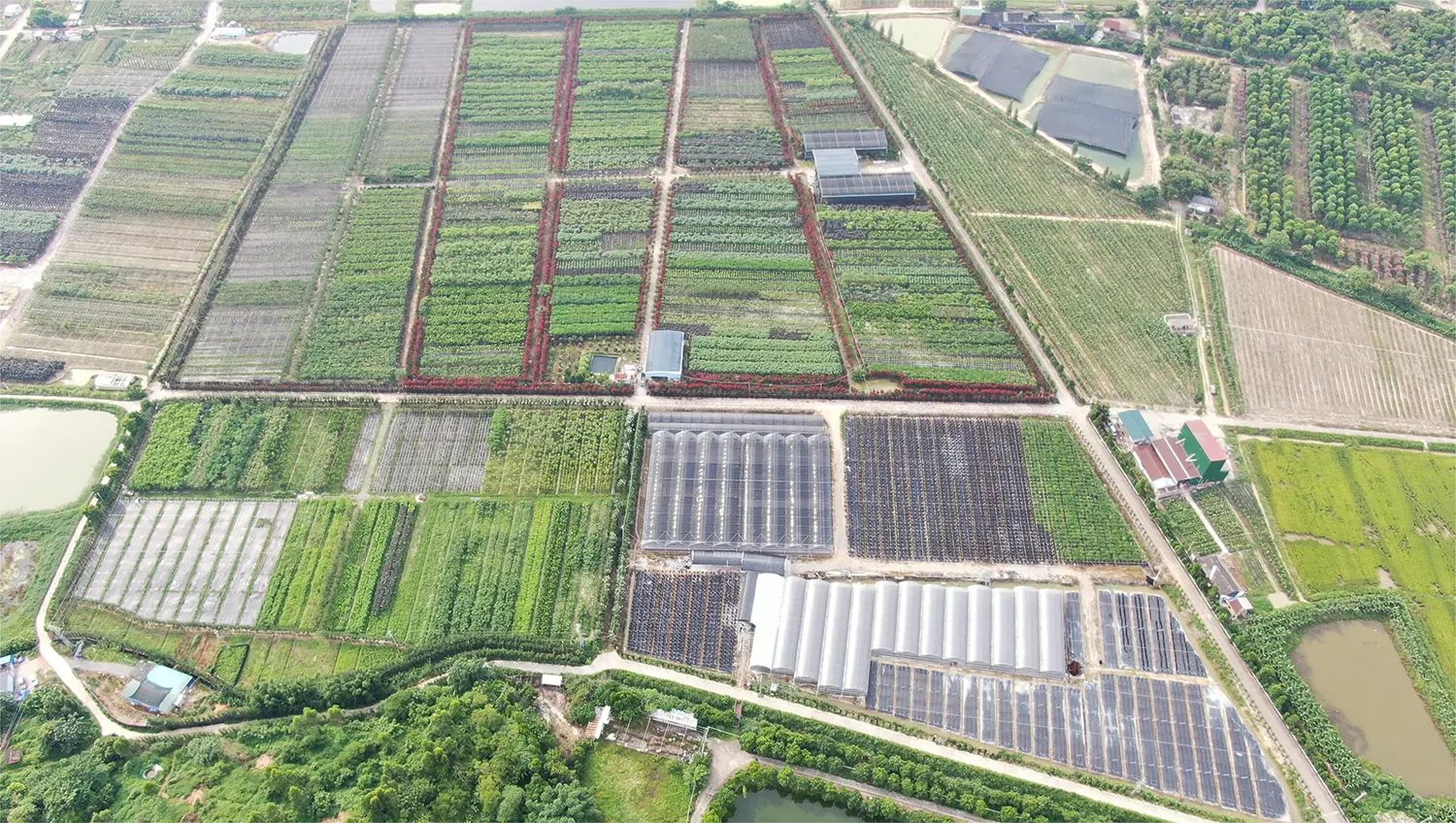
Quality in nursery stock is decided years before a container is booked. Our process starts in the field, where every production row is mapped and every saleable tree carries a tag with its species, planting year and grade.

When you place an order, our field team selects against your specification sheet — girth at one metre, clear-trunk height, crown spread and form. Each selected tree is photographed in place, and the photo set is shared with you for approval before a single spade touches the ground.

At lifting, trees are measured a second time and root balls are sized to our standard ratio for the container class. The packing yard then records a third set of images during wrapping and loading, which together form the shipment report you receive with your documents.

Three checkpoints, three photo records, one specification. It is a simple system, but it is why disputes about what was shipped are essentially unknown among our repeat buyers.

Container vs. Bare-Root: Choosing the Right Option for Your Project

Export Know-How · February 2026

Container vs. Bare-Root: Choosing the Right Option for Your Project

Container-grown stock is the default for good reason: an intact root system, near-year-round planting and minimal transplant shock. For premium landscaping where establishment speed matters, container trees justify their higher freight cost almost every time.

Bare-root and root-balled field stock come into their own for large numbers of deciduous trees shipped in the dormant season. Without soil, a 40HQ container holds several times more trees, and phytosanitary treatment is simpler where destination rules restrict growing media.

The deciding factors are usually three: destination soil-media regulations, planting window, and species tolerance. Palms and cycads, for example, should essentially always ship with a root ball, while many dormant avenue trees travel well bare-root.

If you are unsure, send us your species list and destination — we will recommend the most economical method for each line item rather than forcing a single approach on the whole order.

Seasonal Shipping Calendar: When to Import Nursery Stock from South China

Logistics · January 2026

Seasonal Shipping Calendar: When to Import Nursery Stock from South China

South China's subtropical climate allows lifting almost year-round, but the smart buyer works backwards from the destination's planting season rather than forwards from our availability.

For Gulf destinations, the prime planting window runs from October through March, which means booking production selection in late summer and sailing between September and February. For Europe, spring planting calls for February-to-April departures; for Central Asia, shipments time around the spring thaw and the short autumn window.

Sea transit from Shenzhen runs roughly 25–35 days to the Gulf and Europe, so build in two weeks of buffer for inspection, documentation and port handling on each side. Our packing protocol covers the rest.

We publish a rolling 90-day availability list each month — subscribe in the footer below, and plan next season's stock while selection is still wide.

Why Sculpted Topiary Trees Are Trending in Resort & Villa Design

Trends · December 2025

Why Sculpted Topiary Trees Are Trending in Resort & Villa Design

Across the hospitality projects we supply, one brief keeps recurring: designers want a single unforgettable living element at the entrance, not another row of generic palms. Sculpted trees answer that brief perfectly.

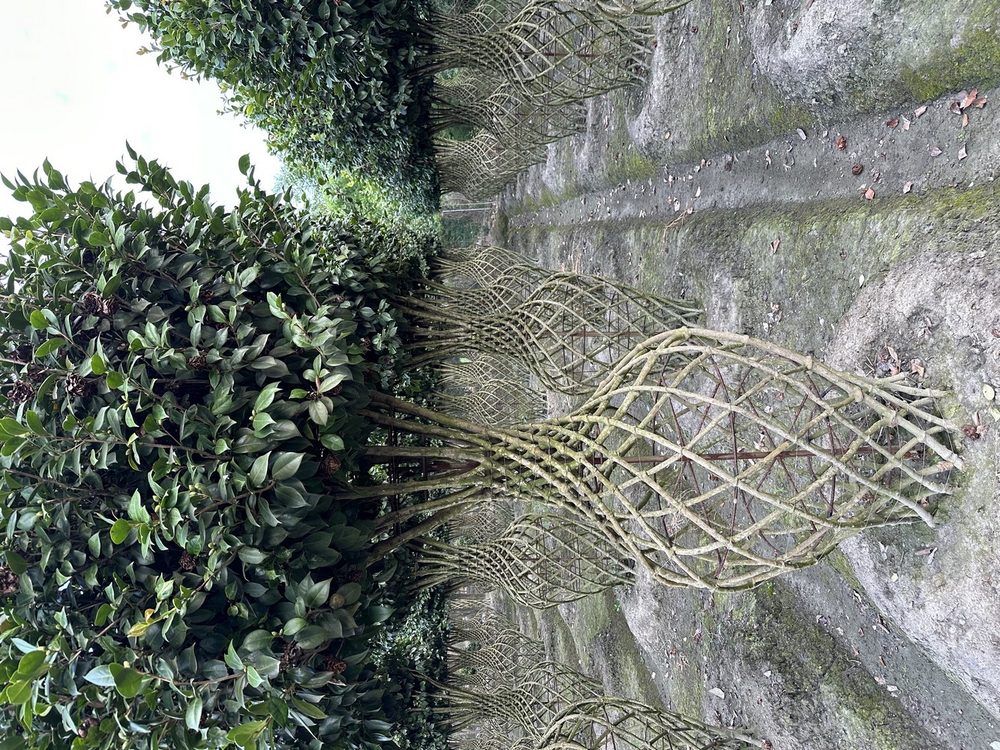
Cloud-pruned Loropetalum with its magenta flush, woven crape-myrtle vases and hand-shaped ficus forms each carry years of craft in their silhouette. No two pieces are identical, which is precisely the point — a resort driveway lined with matched-but-unique specimens reads as curated rather than planted.

These are long-cycle products: a 2.5-metre woven form represents three to eight years of specialist pruning at our Guangxi base. That lead time is exactly why early specification matters; the best pieces are reserved months before they are liftable.

If you are designing for a hotel, villa compound or public realm project, ask for our sculpted stock album — we photograph every piece individually, because every piece is individual.

Planning a Landscaping Project?
Let's Talk Stock, Specs & Shipping.

Send us your plant list or bill of quantities — our export team replies with availability, sizes and a landed-cost estimate within 24 hours.